Showing posts with label tuberculosis. Show all posts

Thursday, August 4, 2016

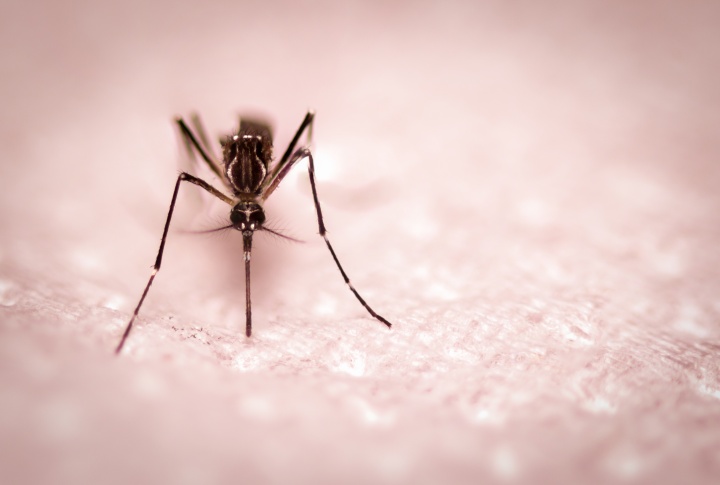
Current Events & Trends Zika virus—the latest health scare


An interesting article from http://www.ucg.org/ about Zika. This follows this post about Australia’s neighbors. For a free magazine subscription or to get the books recommended for free click HERE! or call 1-888-886- 8632.


MP3 Audio (5.79 MB)
“As many as four million people could be infected by the end of the year” (Donald McNeil Jr., Catherine Saint Louis and Nicholas St. Fleur, “Short Answers to Hard Questions About Zika Virus,” The New York Times, Feb. 3, 2016).
Meanwhile, the U.S. Centers for Disease Control and Prevention announced that its Emergency Operations Center had been activated to Level 1, meaning its staff will be working around the clock in emergency conditions.
Discovered in the Zika forest of Uganda in 1947, the virus is common in Africa and Asia. It didn’t begin spreading in the Western Hemisphere until May 2015, with an outbreak occurring in Brazil. It’s had a notable impact throughout Latin America and the Caribbean. As of this writing, only a few cases have been reported in the United States and now Europe.
For most, the infection causes no symptoms and does no lasting harm. However, “concern is focused on women who become infected while pregnant and those who develop a temporary form of paralysis after exposure to the Zika virus” (ibid.).
In October 2015, doctors in northern Brazil noted a surge in babies with microcephaly—a birth defect of abnormally small heads and underdeveloped brains. There can be various causes for this problem, including other infections such as German measles (or rubella) and cytomegalovirus. A causal link to the Zika virus in the recent cases is not certain, but there is significant evidence of a direct connection (Katie Worth, “New Link Between Zika Virus and Microcephaly Is Found in Brazil,” PBS.org, Feb. 4, 2016). Many nations in South America are advising citizens to hold off on pregnancy until as late as 2018.
There’s a recent case in Dallas, Texas, of the virus being transmitted sexually from someone who’d recently returned from Venezuela, but this is considered to be a very rare occurrence—with only two documented cases linking the virus to sex before this, in 2008 and 2013.
What prompted the outbreak this past year is unknown. One speculation is that it may have been a traveler from Africa or Asia to the 2014 World Cup in Brazil. But it could have been anyone—wrong place, wrong time.
It’s assumed that the United States might have outbreaks in the southeastern part of the country, but that the chance of it being major is low—“because most people in the US hang out indoors in the air conditioning, install window screens, use bug repellent, and keep their yards free of standing water” (Beth Skwarecki, “Your Non-Alarmist Guide to the Zika Virus,” Lifehacker.com, Feb. 2, 2016).
Certainly this virus is a serious problem. But it may prove no worse than many other health issues the world is dealing with. Yet it should be remembered that Jesus warned of increasing disease epidemics before His return (Matthew 24:3-8). Any major outbreaks should serve as a wakeup call to that reality.
In any case, for this and any other health crisis, we should be seeking the true Healer. In Him alone is true security and well-being. (Sources: The New York Times, Yahoo News, PBS.org, Lifehacker.com.)
You might also be interested in...


Friday, July 10, 2015

Will Common Diseases One Day Collapse the Economies of the West?

An interesting article from http://www.ucg.org/ about medical costs. This follows this post about cyberwarfare. For a free magazine subscription or to get the books recommended for free click HERE! or call 1-888-886- 8632.
Please follow me here for continued posts.


In Brief... World News Review

Will Common Diseases One Day Collapse the Economies of the West?

Login or Create an Account

With a UCG.org account you will be able to save items to read and study later!
Sign In | Sign Up
×
In the current climate of constant threats of terrorist attacks, of anthrax scares and biotoxin fears, who could guess that a heat wave would hand France one of the greatest tragedies in its history? The official count is still unknown, but as of this writing, the death toll in France for the period of Aug. 1 to 15 was 11,435, and most victims were elderly. The country simply cannot afford to care for its senior citizens in the way that it should. Discussions are under way about the possibility of every worker donating one day's wage per year (by working through a national holiday) to generate emergency funding.
Alzheimer's will grow by 150 percent in the United Kingdom by 2050. By the same date, the number of people with Alzheimer's in the United States could reach 300 percent of today's numbers—that's up to 16 million Americans. This projection, based upon U.S. census data, comes from the Rush Institute on Healthy Aging.
Sheldon Goldberg, president and CEO of the U.S. Alzheimer's Association, warned: “If we don't find answers soon, it will be devastating on multiple fronts.” Unless advances in research produce effective treatments, the Rush Institute declared that the projected increase is enough to bankrupt the American Medicare system.
Meanwhile, in China economists blame the 3.7 percent shrinkage in Hong Kong's gross domestic product for the second quarter of the year on the SARS outbreak. Toronto also lost tens of millions of dollars in tourism revenues when the World Health Organization declared the city unsafe, due to a lengthy period of uncontained SARS infections there.
SARS is a pneumonia-like virus, believed to have “jumped” from animals to humans in the Guangdong province of China, where the illness claimed hundreds of victims. Recent investigations in the province revealed the presence of a variation of SARS in several test animals, as well as some healthy people. The people may not become ill themselves, but they are carriers of the disease.
Apart from the possibility of the introduction of a new strain of SARS, scientists are warning that the regional strain will most likely reappear when the next flu season begins.
The flu itself could become a bioterror weapon. Scientists from the University of Texas Health Science Center say that commonly known information from the genome of the 1918 flu epidemic could be used to create an even more deadly strain than that one, which took the lives of 20 to 40 million people.
Even in our modern world of advanced technology and medical science, we are ever vulnerable to common diseases. We need to be mindful of the fact that good health is a blessing from God, one that we cannot afford to take for granted. There is a direct correlation between our respect for and application of God's laws and the prosperity of our countries. As America rushes to distance itself from God's great laws, we would do well to take heed of His sober words in Leviticus 26:14-16 Leviticus 26:14-16 14 But if you will not listen to me, and will not do all these commandments; 15 And if you shall despise my statutes, or if your soul abhor my judgments, so that you will not do all my commandments, but that you break my covenant: 16 I also will do this to you; I will even appoint over you terror, consumption, and the burning ague, that shall consume the eyes, and cause sorrow of heart: and you shall sow your seed in vain, for your enemies shall eat it.
American King James Version×
.
“But if you do not obey Me, and do not observe all these commandments, and if you despise My statutes, or if your soul abhors My judgments, so that you do not perform all My commandments, but break My covenant, I also will do this to you: I will even appoint terror over you, wasting disease and fever which shall consume the eyes and cause sorrow of heart.”
— ABC News , Agence France-Presse , BBC .

Tuesday, November 4, 2014

Vertical News: American Nurse in Quarantine Conflict

An interesting article from http://www.ucg.org/ about Ebola. This follows this post about Halloween. For a free magazine subscription or to get the books recommended for free click HERE! or call 1-888-886- 8632.
I am leaving TWITTER SOON. Please continue to follow me here.


Vertical News: American Nurse in Quarantine Conflict


Printer-friendly version


How does the Bible shed light on the current Ebola crisis and the understanding of an ancient medical protocol?

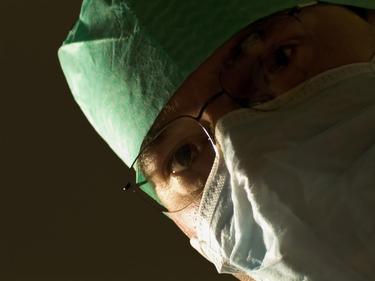
medic looking down
Source: freeimages.com/wax115
Nurse Kaci Hickox, from the state of Maine, has been in a legal battle with the state over the need for her to undergo medical isolation known as quarantine for 21 days following her return from working with Ebola virus patients in West Africa. Though she claims she shows no signs of the virus, the state had asked that she be required to fulfill her quarantine through November 10 th . However, Judge Charles LaVerdiere rejected this demand and freed her from the legalities of quarantine. She is no longer required to avoid public areas (Nick Bryant, “Maine ‘Thinking Locally’ on Ebola Nurse Quarantine,” the BBC at BBC.com, October 31, 2014).
The issue of quarantine has surfaced frequently during the recent media coverage of the Ebola outbreak in West Africa. Another doctor who also went to West Africa to work with Ebola patients lied about his self-monitored quarantine and was in fact in contact with the public of New York City many times (Jamie Schram and Bruce Golding, “Ebola Doctor ‘Lied’ About NYC Travels,” The New York Post at NYPost.com, October 29, 2014).
Some news sources and, indeed, some medical professionals have portrayed quarantine as antiquated and hurtful to the mental state of those who must undergo it. It’s hard to find the truth amongst all the hype. Where does the concept of quarantine, defined by isolating an individual or group of people from the larger society for a specific period of time until illness has developed and abated or until no threat of illness is present, originate?
You might be surprised to know that it comes directly from God’s word in the Bible. In the books of Exodus, Leviticus, Deuteronomy, and Numbers God gave to the ancient Israelites an enlightened approach to health and hygiene that included burying human waste and burning clothes or other items that had come into contact with infection, among other measures that prevent disease (Leviticus 13, 14, 15). He also gave Israel the concept of quarantine during times of illness or “uncleanness” as it is referred to in the Bible (Numbers 19, and Leviticus:13:45-46). This put the needs of the many above the needs of the few and prevented spread of disease, but it also allowed those that were ill to recover away from the rest of society.
When a cure for disease isn’t available, such as in the case of Ebola at the present, then the rules of quarantine serve to protect those who are ill and the greater number who are not. Rather than an antiquated procedure, it’s important to look at quarantine as one of the gifts of understanding that God gave to ancient Israel and through them, to the rest of the world. 
Nobody has commented yet. Be the first to kick off the discussion!
Login/Register to post comments

Tuesday, October 28, 2014

Are Deadly Infections an Indicator of Worse to Come?

An interesting article from http://www.ucg.org/ about diseases. This follows this post about Halloween. This follows this post about Supreme Court nominees. For a free magazine subscription or to get the books recommended for free click HERE! or call 1-888-886- 8632.
I am leaving TWITTER SOON. Please continue to follow me here.


Are Deadly Infections an Indicator of Worse to Come?


Printer-friendly version


Doctors and hospitals are increasingly sobered by deadly new strains of "superbugs" that are largely invulnerable to today's most potent antibiotics. Is it possible we could we see epidemics of incurable infections?

A spilled bottle of medication/pills.
Source: Thinkstock
Almost lost in the deluge of news of advancements in the medical world is the revelation of new strains of bacteria that challenge all we have learned over the past century about fighting disease organisms.
A strain of antibiotic-resistant bacteria known medically as carbapenem-resistant enterobacteriaceae, or CRE, has jumped to the forefront of the medical world's attention due to one very disturbing fact—their near-total resistance to an entire family of drugs known as carbapenum antibiotics makes them nearly impossible to treat once they infect a patient.
Emerging recently in hospitals and nursing homes, they attack the most vulnerable—weaker and elderly patients. And once they get a foothold in a hospital or nursing home, they are virtually unstoppable.
In the face of these and other rising health threats on a national and global scale, we need to consider what's happening and where our primary focus should be.

"Nightmare superbugs"

No less an authority than the renowned Centers for Disease Control and Prevention refers to these lethal bacteria in terms not normally used in the staid medical world. CDC Director Dr. Thomas Frieden, in a March 6, 2013, USA Today story, says these "nightmare superbugs" present a triple threat. "They're resistant to nearly all antibiotics. They have high mortality rates, killing nearly half of people with serious infections. And they can spread their resistance to other bacteria," Frieden said.
What worries Dr. Frieden and so many others is that antibiotics known to the medical world today have virtually no effect on these superbugs. He and other bacteriologists fear it may be too late to stop their onslaught, which has killed up to 70 percent of patients infected by CRE. Doctors fear they are running out of options to slow or stop the spread.
Friedan warned that the United States has only a "narrow window of opportunity" to take action before it is too late to halt the spread of the bacteria. He envisions a scenario in which antibiotics could become powerless against such common ailments as diarrhea and respiratory and urinary tract infections.
Thus far, CRE infections have been reported in 42 states. As of late last year, about 4 percent of U.S. hospitals had reported at least one case of CRE infection, with that rate jumping to 18 percent among acute-care hospitals.
Even such renowned facilities as the National Institutes of Health's Clinical Center near Washington, D.C., are not immune. Last summer a CRE strain struck the center where it killed seven, including a 16-year-old boy. And there have been worse outbreaks.
Intensive care patients seem to be at the greatest risk, especially those on ventilators or hooked up to central intravenous catheters. Organ transplant patients and those undergoing chemotherapy seem particularly vulnerable. And health officials fear that continued mutation of CRE bacteria could produce varieties that could make even common infections virtually untreatable.
We report this not to dissuade readers from seeking needed medical care, but to increase awareness of the problem. All of us must consider what's happening in the world and exercise wisdom.

Unexpected effects stymie experts

What has brought this alarming state of affairs?
Medical observers have noted that the overuse of certain antibiotics in hospitals and nursing homes has had an unexpected effect: Many of the Enterobacteriaceae have become resistant to most of the antibiotics in general use today. As a result, where just over a decade ago only 1.2 percent of bacteria were antibiotic-resistant, today that number has grown to about 4.4 percent. Ironically, the bugs have become resistant to the very carbapenum antibiotics developed as an answer to weaker earlier antibiotics.
"This has been bred in hospitals and nursing homes because of the way we use antibiotics," said Dr. Carlos Nunez, chief medical officer for CareFusion, a company which markets an infection surveillance system used in many hospitals. "You go to a place where you are supposed to get better and you get an infection where you have a 50 percent chance of dying. It's a nightmare scenario."
The pathogens'ability to survive and become resistant to antibiotics has stymied medical experts. Overuse of antibiotics to kill CRE in past years has produced strains of drug-resistant germs that not only survive, but are able to pass along survival traits to other bacteria found in hospitals.
The growing alarm over the CRE threat has placed hospitals and nursing homes on the defensive. CRE can be transferred from patients to the environment and to the hands of the care providers, such as doctors or nurses, when care providers touch patients or touch them with medical equipment, then touch other patients. To counter this, stricter enforcement of hand washing has become required practice in medical facilities.
Procedures in many hospitals now call for patients considered high-risk for CREs to get special screenings on arrival. Hospital officials now warn hospital visitors to wash their hands thoroughly and insist that anyone who touches them also wash their hands.
CRE infection of a patient triggers additional precautions to reduce the likelihood of its spread to other patients. Under the use of "contact precautions," patients are essentially quarantined, transferred to separate rooms to which the patient is confined and from which visitors are barred. Nurses and other caretakers can be required to wear gloves and gowns each time they enter the room.

Old diseases on the return

For more than a century, America and the Western world have made what seemed to be unstoppable progress on the road to eradicating sickness and disease. One by one through the decades, such dreaded maladies as smallpox, yellow fever, whooping cough and tuberculosis began to disappear as medical research discovered their causes and ways to prevent them.
The 20th century featured a parade of medical advances. One by one, diseases that plagued mankind for centuries fell before the advances of medical science.
Major milestones were the discovery in 1900 of the cause of yellow fever by two U.S. Army doctors, Walter Reed and James Carroll. The 1920s saw the development of vaccines for whooping cough, diphtheria and tuberculosis, and the uses of insulin to treat diabetes. Dr. Jonas Salk astounded the medical world in 1955 with his discovery of a vaccine to prevent polio, which had paralyzed millions. Vaccines for measles, mumps and rubella followed in the 1960s, as did heart and other organ transplants.
And while some diseases, such as cancer and heart disease, have not been stopped, medical science has made great strides in treatment. Survival rates for cancer have improved tremendously since 1960.
A 2009 survey in the United Kingdom showed five-year survival rates for leukemia, prostate, melanoma and several other common cancers to be as high as 84 percent. U.S. five-year survival rates for bladder cancer are as high as 80 percent, and more than 50 percent for lung cancer. Aggressive treatments such as chemotherapy and radiation, and surgery as a last resort, have resulted in cures or partial cures for millions.
But are we now beginning to see a reversal of that trend? Are we starting to lose ground, even retreat, in the face of illnesses where bacteria and other microorganisms mutate to the point they become resistant to the vaccines and antibiotics of modern medical science?
Tuberculosis, once thought to be nearly eradicated, is making a comeback among some sectors of the U.S. population, according to series of recent reports. A current CDC fact sheet reported on the rise of "multi-drug resistant tuberculosis," which seems to be on the rise among many immigrant groups.
These strains of TB have developed resistance to all of the most effective TB drugs, leaving patients the only option, in the bland wording of the report, "to pursue treatment options that are much less effective."
Once thought to be eradicated, scarlet fever has recently been found to be on the increase. The discovery of penicillin in 1943 did much to virtually eliminate the disease, which ravaged America in the 18th and 19th centuries in massive outbreaks. But a new, more virulent form resistant to penicillin has arisen, and outbreaks have occurred in China, where reported cases tripled in 2011. A flurry of new cases broke out in Michigan last year, concentrated among immigrant communities.

Where is our trust?

It's time that all of us start doing some serious reflection and assessment. We might ask whether we've taken modern "wonder drugs" for granted, assuming that science will always find a solution for our problems. Does your Bible have anything to say about this?
Notice the words of Moses to ancient Israel: "If you do not carefully observe all the words of this law that are written in this book . . . then the Lord will bring upon you and your descendants extraordinary plagues—great and prolonged plagues—and serious and prolonged sicknesses . . . all the diseases of Egypt . . . Also every sickness and every plague . . . will the Lord bring upon you until you are destroyed" (Deuteronomy:28:58-61).
Moses also warned of incurable illnesses as punishment for national sins earlier in this passage: "The Lord will strike you with the boils of Egypt, with tumors, and with the scab, and with the itch, from which you cannot be healed" (verse 27). That last phrase strikes a familiar chord with our situation today.
Increasingly, medical issues take the forefront of our concerns. Millions in the Western world, especially those entering late middle age and older, spend more time concerned about the effects of illnesses and what will happen if they have to go into a hospital.
But the God who designed and created the human body has some good news for us. He forgives and heals! Of course, this requires turning to Him and following His ways. Still, the timing remains up to Him. In some cases, He will deliver us immediately. But even if He does not completely heal right now—as He knows what is ultimately best for all of us—He nevertheless has a plan in place that will eradicate sickness and disease forever.
Notice this good news in Revelation:21:4: "'He will wipe away every tear from their eyes. There will be no more death' or mourning or crying or pain, for the old order of things has passed away" (New International Version). And even prior to that, a time is coming when the earth, under the reign of Jesus Christ, will be largely free of pain, sickness and disease. Not only will hospital-born killer germs be eliminated, but there will no longer be a need for hospitals themselves.
If this sounds too fantastic to be true, read the Bible study aids, Why Does God Allow Suffering? and The Road to Eternal Life . You'll find the Bible has much more to say about the scourge of disease.
Nobody has commented yet. Be the first to kick off the discussion!
Login/Register to post comments